The wedding dress is, at least in Western culture, easily associated with a heteronormative imagery of long white dresses, made of tulle, lace or silk, with more or less sinuous shapes, a train and a veil. In this aesthetic universe, one element seems to prevail over all: white. This choice is not accidental. Like most traditions related to costume, it has its roots in ancient beliefs and cultural legacies, now deeply rooted in the collective imagination of entire peoples. Indeed, white has always been a symbol of purity and, in the past, was directly linked to female virginity: the bride arrived at the altar “intact,” according to a strongly religious vision linked to the famous ‘virtues.
The contemporary bride, however, is now far removed from these meanings. Purity is no longer linked to a sexual dimension, nor does marriage represent a purely moral or religious test or certification. Today it can be a formal act, a social celebration or, at best, a free and authentic celebration of the union between two people. In this context, dress also changes function: it is no longer a symbol of an imposed value, but becomes an expression of individuality and personal taste. This freedom manifests itself not only in design, but also, and perhaps especially, in color.
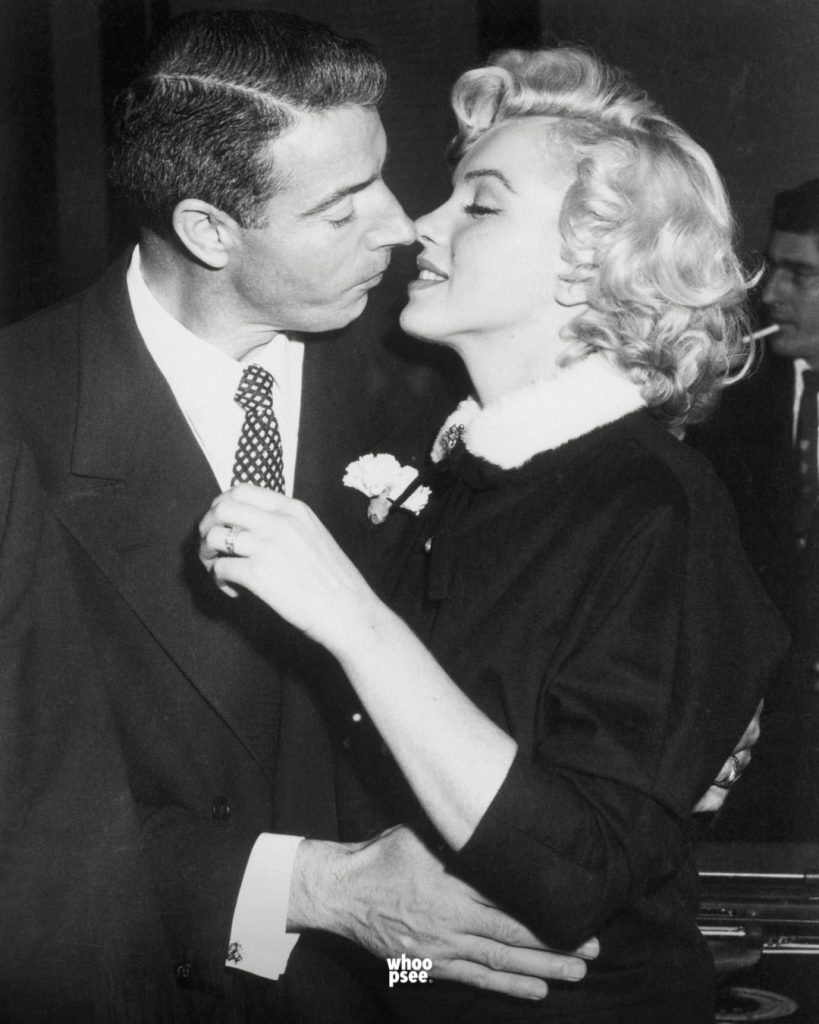
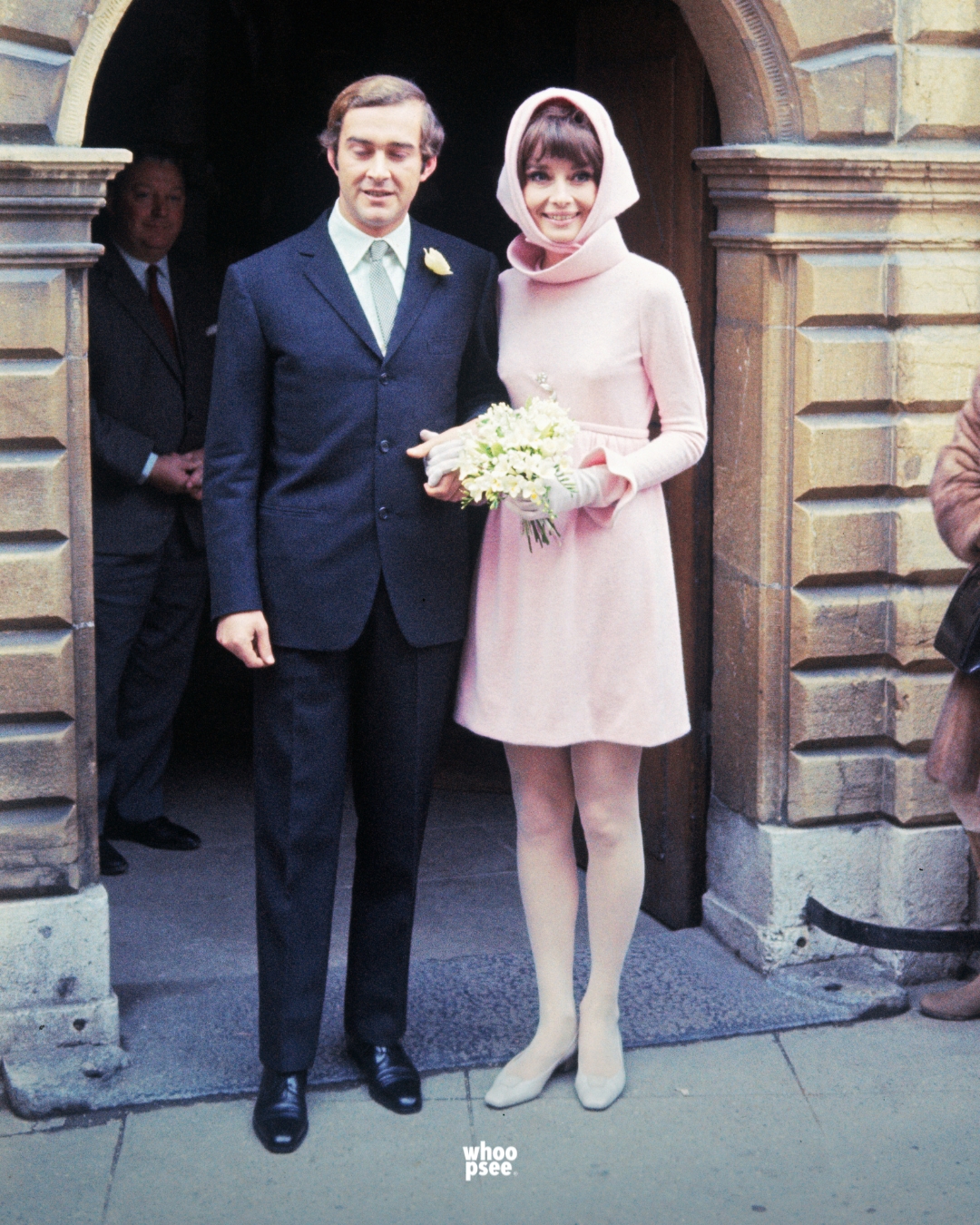
The first real vanguards of the break with traditional whiteness were the big stars of the 1950s and 1960s. And this is no coincidence; in fact, these were decades marked by a growing demand for women’s freedom and a new awareness of their own identity. Early examples include Marilyn Monroe, who married Joe DiMaggio in 1954 wearing a dark brown wool suit with a white fur collar. A sober and sophisticated choice, light years away from the traditional idea of a wedding dress, but perfectly consistent with a more adult and conscious image. Along the same lines, but with a different sensibility, is Audrey Hepburn, who chose a pale pink suit by Hubert de Givenchy for her wedding to Andrea Dotti in 1969. A long-sleeved, funnel-neck dress, it was essential and refined, paired with white tights, snow-white gloves and low ballet flats. The civil ceremony, held in Switzerland, helped define a discreet but revolutionary style, far from the excesses of tradition.

Undisputed queen of weddings, as many as eight, and unconventional choices was Elizabeth Taylor. At least five of the dresses she wore were colorful and unconventional: from the olive green of 1959 to the famous bright yellow of her first marriage to Richard Burton in 1964. On that occasion, the actress chose a knee-length empire-style gown by Cleopatra’s costume designer Irene Sharaff, complemented by a dramatic Alexandre de Paris hairstyle braided with orange blossoms. Then again, everything can be said about Taylor except that she was a sober woman: even in jewelry she favored excess, as evidenced by the famous diamonds given by Burton, among the most impressive ever seen.
This trend did not end with the past, but continues today, reinterpreted by contemporary celebrities. Julianne Moore, for example, chose an essential and flowing pink-lilac matte silk dress paired with green accessories that created a refined contrast with her red hair. More ethereal, however, was the choice of Chloë Grace Moretz, who opted for a long light-blue gown designed by Nicolas Ghesquière, featuring satin ruffles, matching gloves and a very long veil in the same tone.
Ultimately, white is no longer a rule, but one option among many. The wedding dress, from modernity to the present day, no longer tells what a woman “must be,” but what she chooses to express, and color is only one of many elements at one’s disposal to bring out one’s personality.
[📷 Getty Images; IPA]