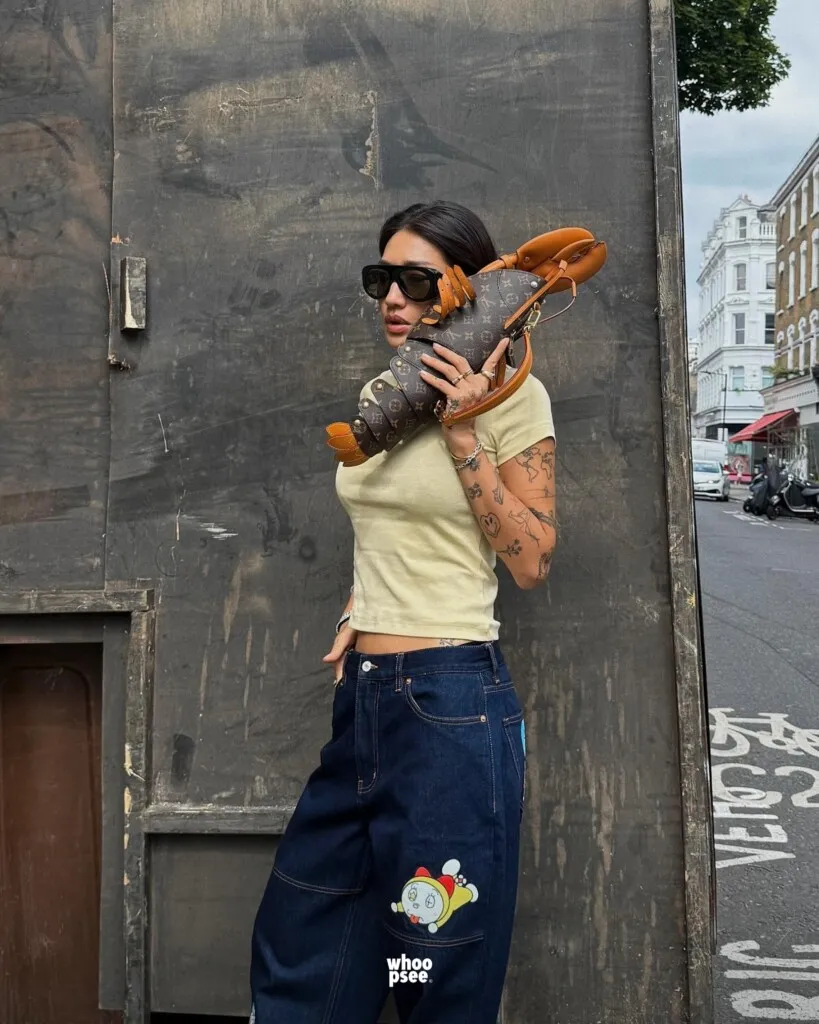
That of tattoos is always a hotly debated topic. There are those who say they are going out of fashion, those who are inveterate frequenters of tattoo studios, those who are adamant that a tattoo should have meaning, and those who think more about aesthetics. Whatever your opinion on the matter, what is unquestionable is how even this industry, rooted between art and beauty, is not immune to innovation. And so here, too, artificial intelligence has come to the fore, inevitably opening up the discussion: is creating a tattoo with AI right? Opinions on this are mixed, covering different processes of tattoo design, from inspiration from the client to the tattoo artist’s design traits.
Having a generative artificial intelligence tool generate an image is certainly a faster way to achieve the desired or imagined design, or even to be inspired in the absence of ideas. On the other hand, you lose the very best part of the process-that of research, ideation and discovery-especially considering the very personal value of an image that is destined to remain on our bodies forever, barring removal. At the same time, very often, the generated designs have qualities that do not quite add up, due to the limitations of artificial intelligence such as warped text or an extra finger, and they do not even understand the nuances of human skin in relation to the tattoo.
To solve the latter problem, a platform called BlackInk.AI has also sprung up, which as stated by founder Eric Mills, generates fully AI-powered and completely unique tattoos in a way that helps customers “feel more confident by showing designs closer to their vision, and allows artists to save time and make more money because the process is faster.”
And here another debate arises: if we take it for granted that AI is not an artist, how is it possible that the rights to the generated images are not to be attributed to other artists? As reported by the masthead, there are several tattoo artists who would never create an AI-created tattoo for a client, lest they run the risk of copying another artist’s work.
[📸 IPA]