In the beauty industry, it’s now commonplace for celebrities and influencers to launch their own brands, building veritable business empires around their public image. But while the number of celebrities choosing to become entrepreneurs is growing, the classic “face-as-a-brand” model continues to exist—and in some cases, works very well—where a celebrity or influencer is hired to represent a brand that isn’t their own. It is precisely in this area that the value of brand ambassadors is being redefined: it’s no longer just about name recognition, but about the ability to engage a community, spark conversations, and forge a credible connection with the product.
For years, the face of a beauty campaign was almost always that of a celebrity in the strictest sense: actresses, models, singers, and international stars were the most immediate way to lend prestige, visibility, and desirability to a product. Today, however, the paradigm has shifted. The rise of influencers and content creators has expanded the pathways to fame and, above all, has transformed the relationship between the public and brand ambassadors. The key criterion, more than mere fame, has become the connection between the celebrity and their fans. It’s no longer just about how famous a person is; what matters is how relevant they are to a specific community, how credible they are in the eyes of their followers, and how well they can generate conversations and content around a brand. In the beauty industry, this shift is particularly evident. Brands are gradually shifting their focus from major general-interest celebrities toward creators, talents, and figures capable of speaking to more specific, niche communities. And even when they choose an international star, the success of the collaboration depends increasingly on the perception of authenticity and the genuine affinity between the figure, the product, and its audience.
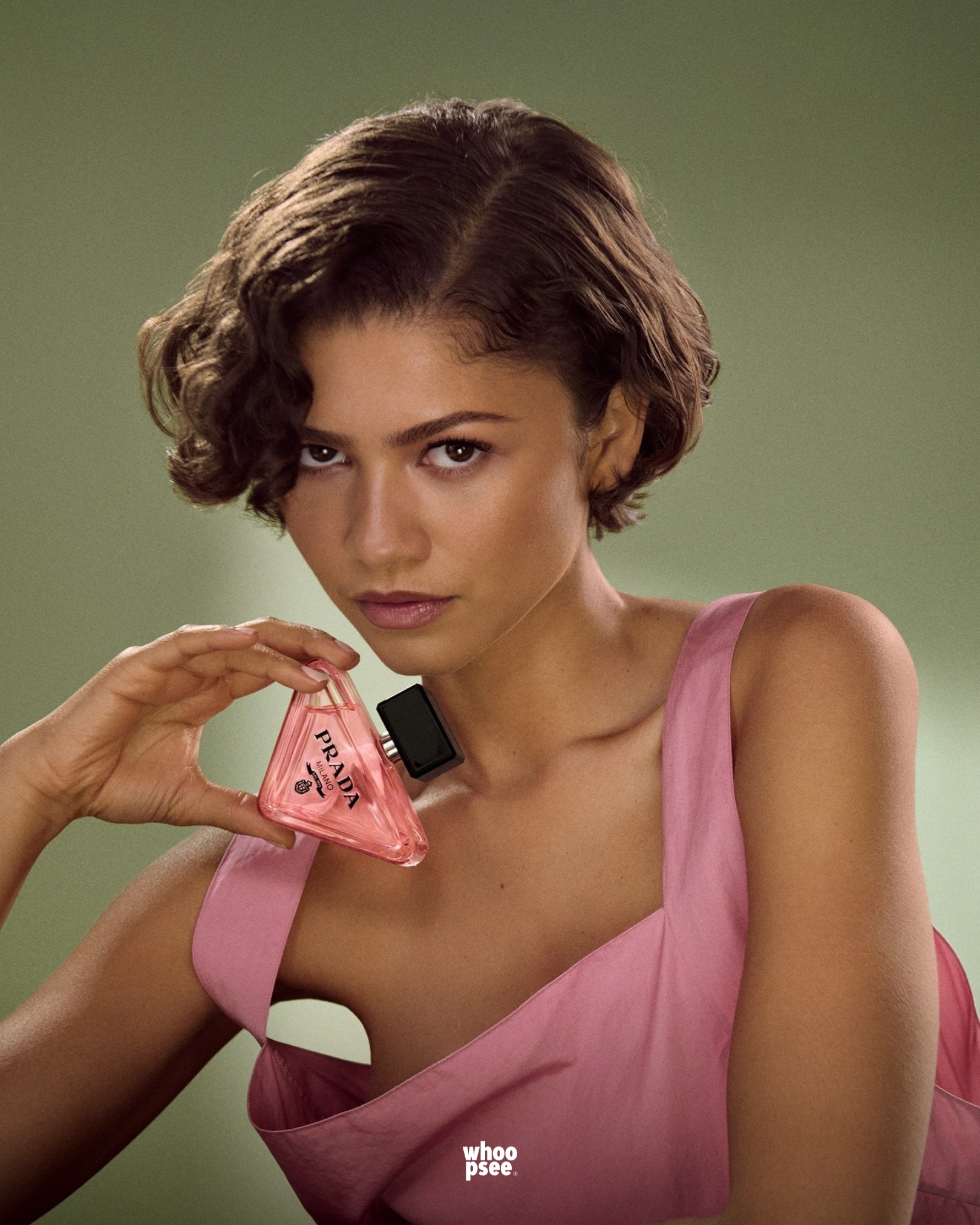
According to Alex Rawitz, director of research and insight at CreatorIQ, beauty promotions have undergone a significant transformation over the past decade. “Traditional celebrities have shifted from being the main spokespeople to becoming more targeted, niche ambassadors,” Rawitz explains to WWD. In the past, celebrities were primarily used as spokespeople for general product lines: their role was to transfer their own fame to the brand as a whole. Today, however, the relationship is more specific. A celebrity may be chosen to represent a specific fragrance, a single product, or a particular community, while at the same time, creators play a crucial role in building an ecosystem of content around the campaign. This does not mean, however, that big stars have disappeared from the beauty industry; on the contrary, in some segments—especially in luxury and perfumery—their influence remains very strong. A notable example is Prada Beauty, which chose Zendaya as the new global ambassador for the Paradoxe fragrance. The collaboration was announced on August 3, and according to CreatorIQ data reported by WWD, it generated $570,726 in Earned Media Value (EMV) in the first five days—the highest figure recorded among the five most recent celebrity beauty campaigns included in the analysis.
The choice of Zendaya is particularly significant because it combines the influence of traditional celebrity with a strong ability to generate digital buzz. The actress herself has also revealed that she had already been using Paradoxe before being approached by Prada, a detail that reinforces the perception of authenticity surrounding the partnership. The campaign, directed by Oscar-winning filmmaker Barry Jenkins, also introduces the new Paradoxe Sweet Chemistry fragrance and builds the narrative around the complexity and duality that define the perfume’s identity.
While the luxury sector continues to elevate major international brands, other segments of the beauty industry are taking a different path. This is the case with hair care—whose boom we discussed not long ago—now described as the new frontier of skincare, applied to the hair. TRESemmé’s “Hot Curl Summer” campaign, featuring Belmont Cameli, star of “Off Campus,” is a perfect example: it generated $1.39 million in EMV in just over two weeks since its July 22 debut. This figure is particularly interesting because it demonstrates how a relatively less mainstream celebrity can achieve enormous results when they have a highly engaged fanbase. According to Rawitz, hair care brands are in fact increasingly focusing on influencers with “enthusiastic fanbases, rather than broad, mainstream recognition.” These communities often tend to consist of Gen Z and younger consumers. The reason is simple: many of these influencers are known primarily through TV series, movies, or content that has gone viral on social media, and have therefore built a particularly direct relationship with their audience.
This change is no accident. According to Rawitz, one of the main reasons is the emergence of a genuine “creator-to-celebrity” pipeline. Today, there are far more paths to fame than in the past. TikTok, Instagram, YouTube, and other platforms have created new forms of fame that don’t necessarily depend on television, film, or music. As a result, traditional celebrities no longer have a monopoly on attention. In fact, highly niche social media communities can be more valuable than a massive but generalist audience. A creator with a fanbase deeply interested in beauty may be more effective for a specific product launch than a star known to hundreds of millions of people but perceived as disconnected from the product.
There is also another key factor: trust. Many mainstream celebrities have now launched their own makeup, skincare, or hair care brands. This makes partnerships with other brands potentially more complicated and can create conflicts of interest. As a result, an increasing portion of promotional activities is directed toward the brands owned by the celebrities themselves. At the same time, consumers have become more attuned to the issue of authenticity. A collaboration works best when it seems to stem from a genuine affinity with the product and not simply from a commercial agreement. This is where smaller-scale creators and celebrities can have an advantage: if they are already passionate about a particular brand, their promotion can appear more spontaneous and credible. Conversely, when a big star promotes a product without an obvious connection to the brand, the public may perceive the collaboration as purely transactional.
The future of beauty campaigns, therefore, does not necessarily seem to involve replacing celebrities with influencers; rather, a new balance is emerging. On the one hand, celebrity power remains strong, particularly in the luxury and fragrance sectors and for major international launches. Zendaya and Prada are a case in point: a global star, a prestigious brand, and a cinematic campaign can still generate enormous media value. On the other hand, “community power” is on the rise: creators and talents with smaller but highly engaged audiences can turn a product into a phenomenon within a specific niche.
[📷 Instagram: pradabeauty]