When we think of fashion, we rarely think of fabric. Our minds tend to wander instead to the brightly lit runways, the incessant flashes of photographers, the frenetic backstage scenes, and the adrenaline of fashion shows. Or to the glossy campaigns that fill magazines and social media, where dresses and outerwear seem to exist in a perfect dimension, worn by stars and supermodels, showcasing the vision of designers who are now just as famous. And when our thoughts turn to haute couture, the scene becomes even more spectacular: sculptural silhouettes, intricate embroidery, micro-details, and sartorial virtuosity.
But before all of that, there is the material. First, there is the thread, the machine that weaves it, the one that knots and cuts it. Before that, there is the silkworm, the cotton, the plant. And then there’s the metal that makes up that tiny zipper, the pigment that colors a yarn. In short, the entire system of raw materials, techniques, machinery, and highly specialized processes that allows fabrics to reach the hands of tailors, conform to the aesthetic vision of a creative director, and, finally, be transformed into the garments we see on the runway or displayed in boutiques.
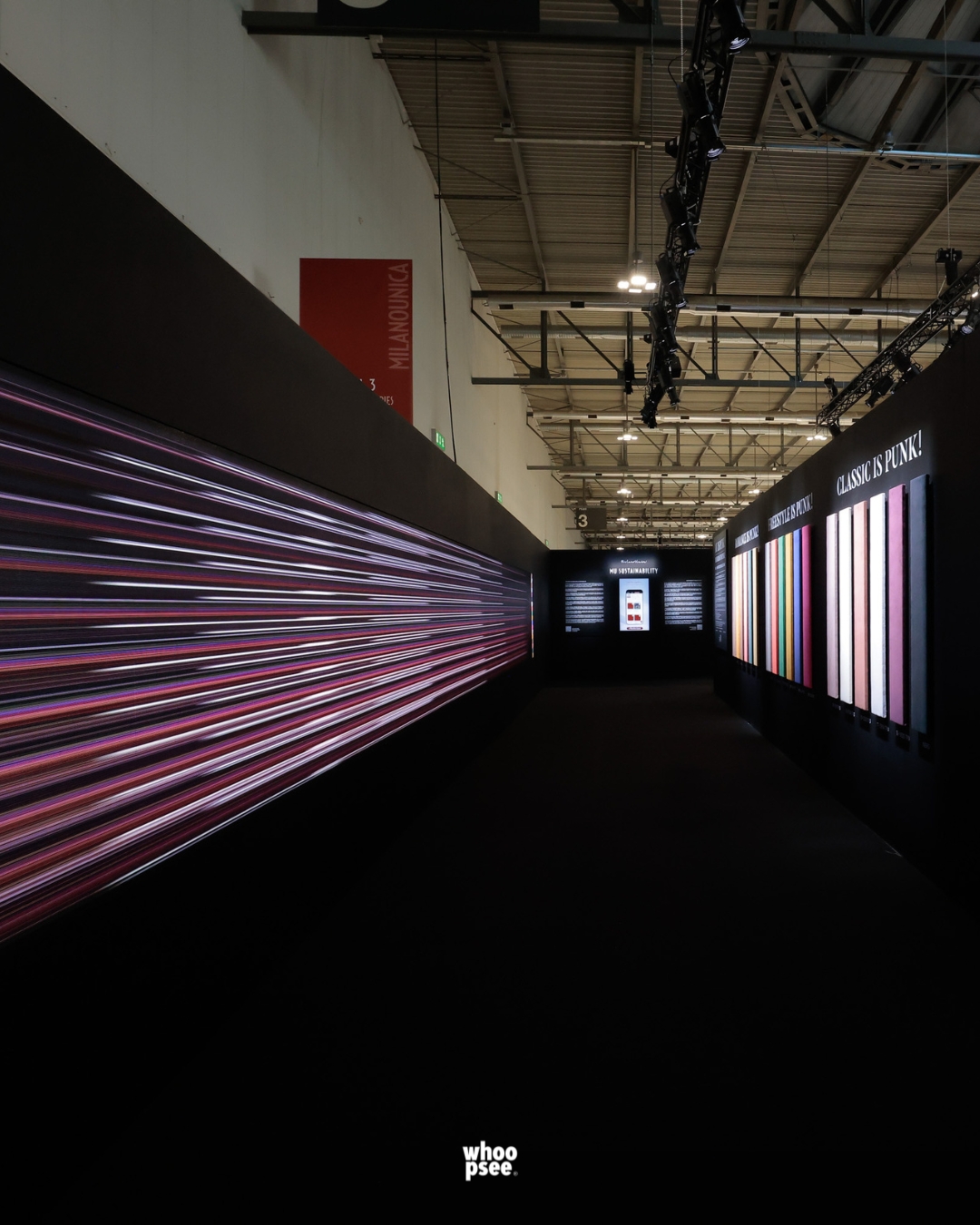
Today marks the final day of Milano Unica, Europe’s leading trade show dedicated to high-end textiles and accessories. The 2026 edition, the 43rd, brought together 737 exhibitors, recording significant growth in international participation—a sign of the confidence the industry continues to place in this event. It is the beating heart of Italian and international textile production, a place that brings together expertise of all kinds, historic manufacturers, and highly specialized companies. It is a space where people meet, conduct research, and discover new materials and suppliers, but also where they get an early glimpse of the colors, textures, and trends that will define the collections of the coming years. It is no coincidence that the theme of this edition, “From Roots to the Future,” invites us to look toward innovation and sustainability without losing sight of the manufacturing heritage that makes “Made in Italy” competitive. It is a platform that, in fact, builds the entire fashion ecosystem from the ground up.
The trade show is organized into themed pavilions: from accessories to areas dedicated to innovation, sustainability, and startups, all the way to the Observatories dedicated to Japan and Korea. Next come the spaces dedicated to fabrics: silk prints, lace, knitwear, recycled fabrics, independent designers, and experimental materials. A myriad of companies, each specializing in its own sector and material. From the world-renowned Loro Piana to small, exceptional businesses: ribbon manufacturers, embroidery workshops, wool mills, eco-friendly furs, organic cottons, trimmings, buttons, zippers, and hooks. A true celebration of manufacturing savoir-faire. Strolling among the booths, you’ll encounter buyers from all over the world and representatives from a wide variety of companies: from fast-fashion giants like Zara to fashion houses and designers of the caliber of Walter Van Beirendonck and Dries Van Noten, as well as young creatives searching for the perfect leather for a debut collection or the technology capable of printing a specific pattern on a particularly delicate material.
Particularly fascinating is the area dedicated to trends, which previews the colors and aesthetic directions of the coming seasons, but above all showcases new materials and innovative fabrics. Each sample is accompanied by detailed specifications and a QR code that provides information on its environmental impact, chemical composition, supply chain details, and social responsibility. So it’s not just about technical characteristics, but also the history of the fabric and the context from which it comes. The small color book by Cangioli 1859 is wonderful, for example, as are the wools from Barbera and the buttons from Bottonificio Lenzi. Whether you’re fascinated by tulle or searching for an unusual material, it really seems like everything is here.
Milano Unica shows how everything we wear is the result of precise, layered expertise and how every fabric holds its own story: a story woven from nature and craftsmanship, from materials and labor, from research and time. In short, it offers a different perspective on fashion. And, at a challenging time for the industry, it reaffirms that it is much more than a trade show: it is a place where the sector comes together, reflects on its challenges, and envisions the future of the Italian textile industry.
While Miranda Priestly’s famous scene in *The Devil Wears Prada*—in which she describes the long chain of steps that takes a simple sweater from the design offices to the shelves of department stores—has become one of the most effective summaries of how the fashion industry works, Milano Unica adds another piece to that story. It makes the invisible visible: that combination of skills, materials, techniques, and knowledge that makes the creation of fantastical worlds possible. It brings materials and the understanding of them back to the forefront, along with the value of craftsmanship, specialization, and the time required to transform an idea into a finished garment.
[📷 milanounica.it]