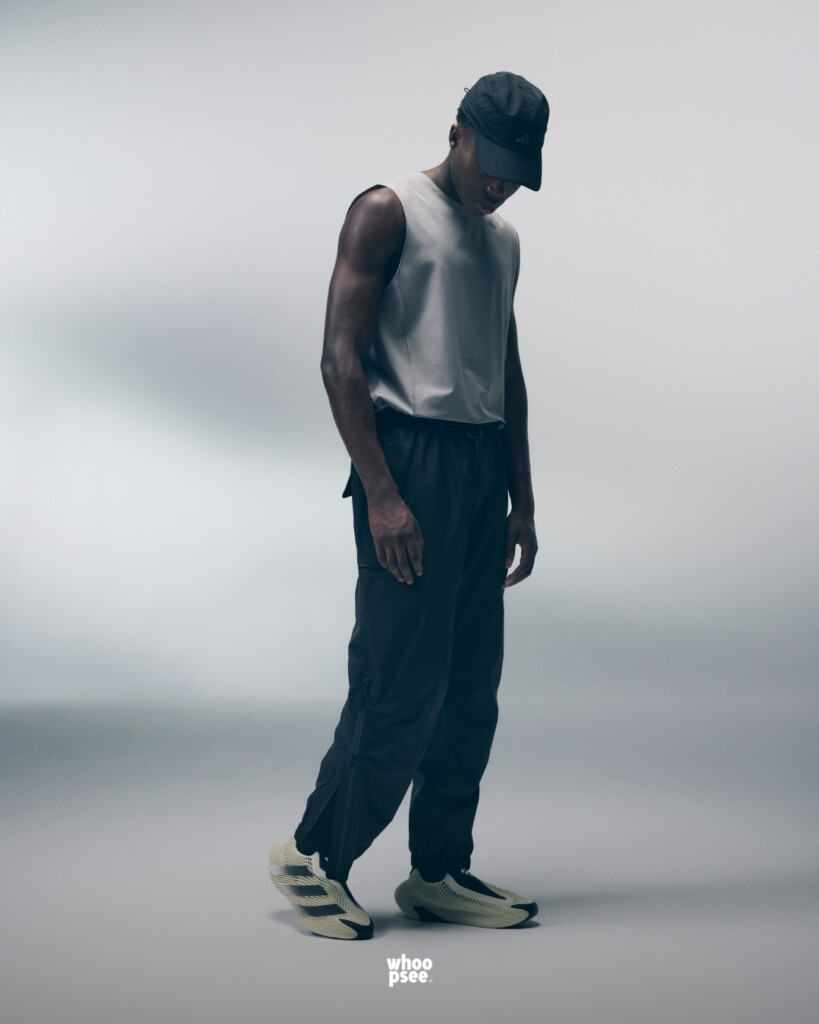
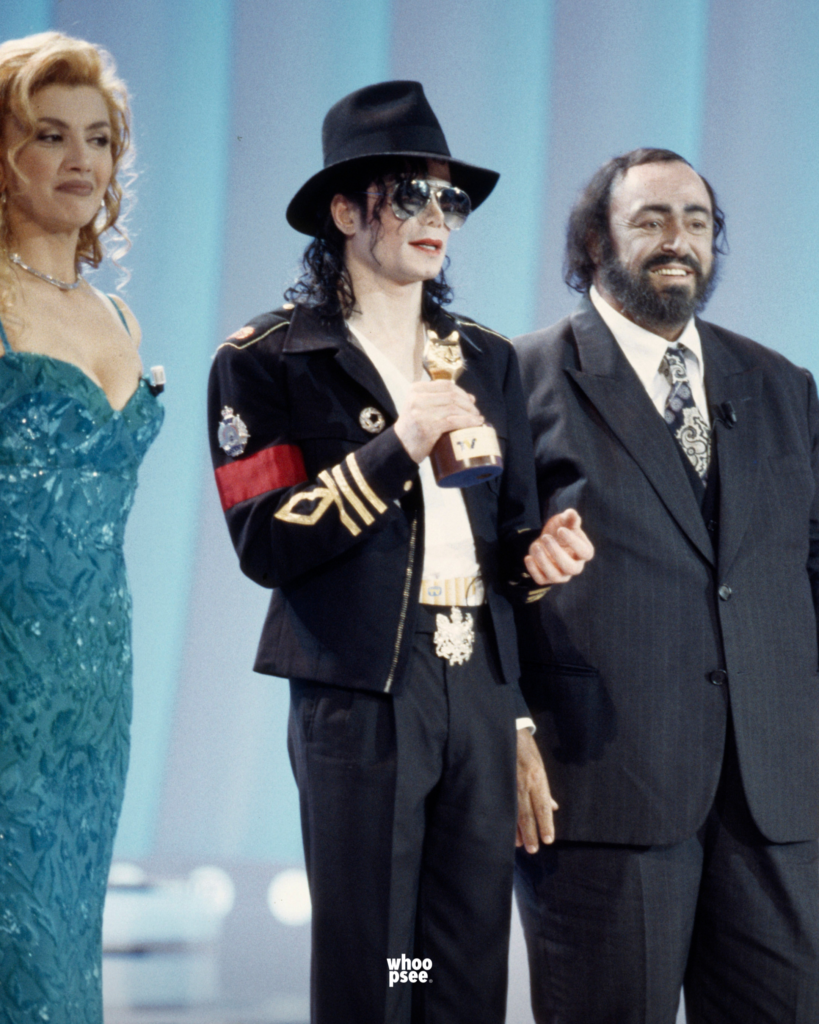
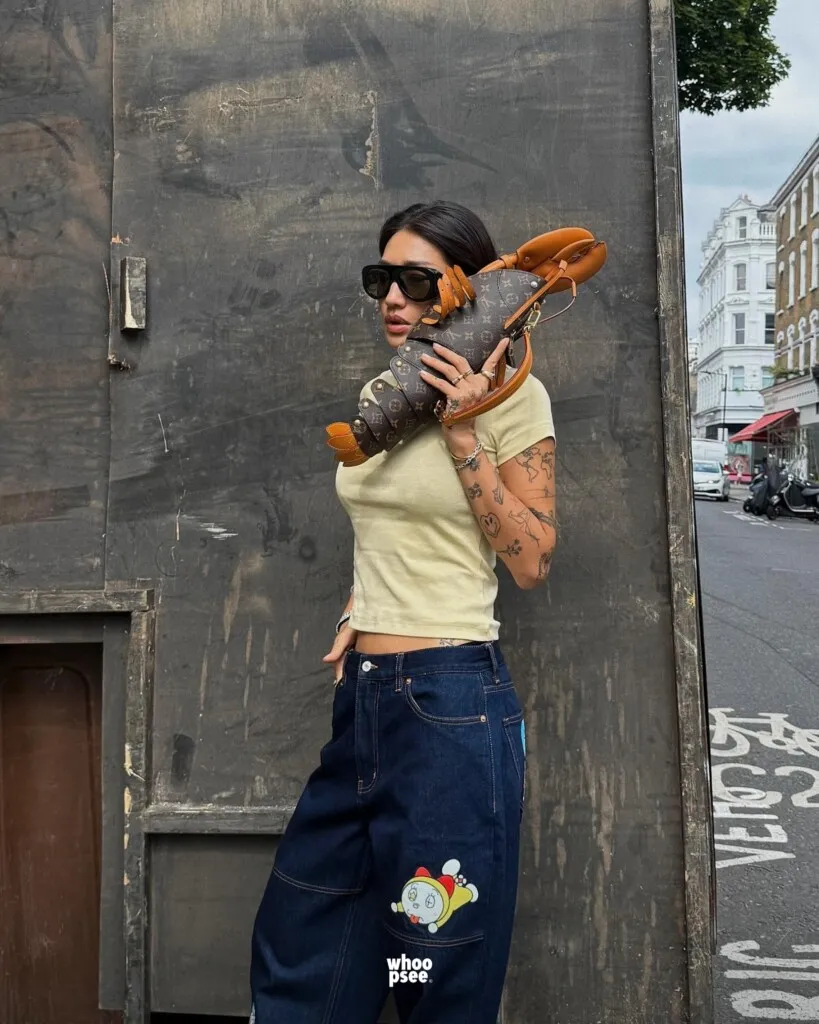
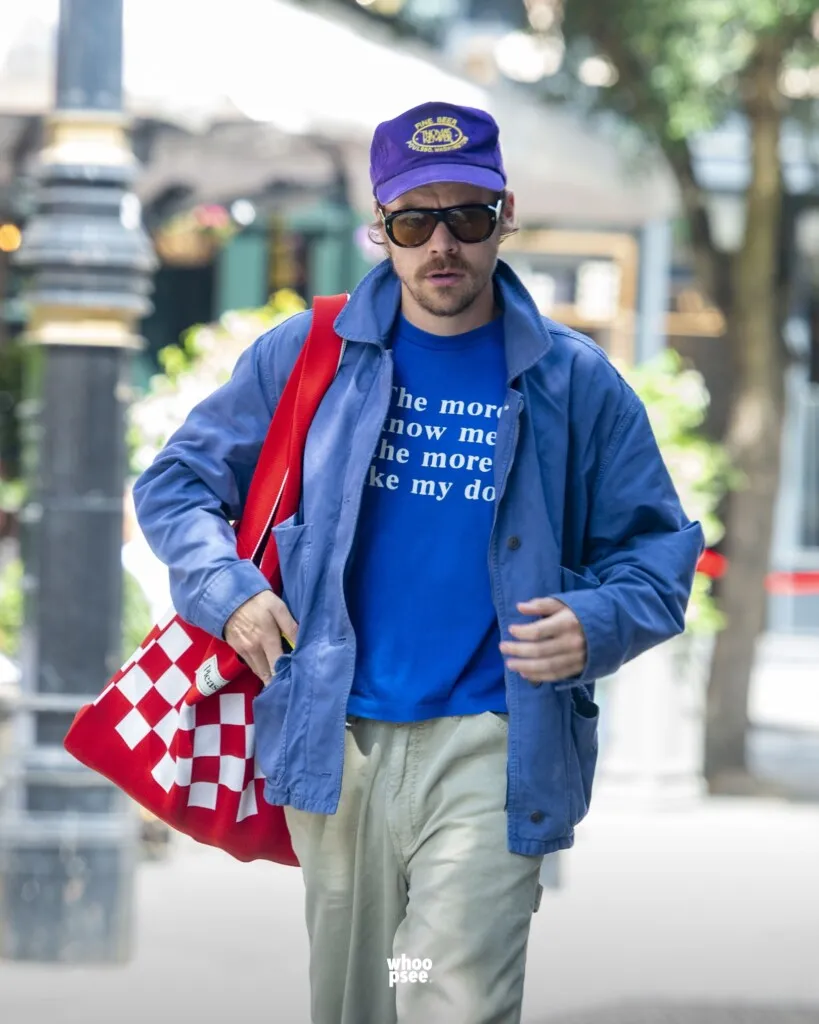
Today LVMH made official the sale of the Marc Jacobs brand to WHP Global. This news marks the end of a chapter almost 30 years long, but it does not undermine what its founder, Marc Jacobs, represents for contemporary fashion. Because the point here is not the ownership of a brand, but its cultural legacy.
When LVMH enters the Marc Jacobs story in the 1990s, fashion is still divided between European heritage and American experimentation. Jacobs breaks this dichotomy: he brings grunge inside the luxury system with Perry Ellis, is criticized, fired, but changes the language of the industry forever. Soon after, at the creative helm of Louis Vuitton, he accomplishes something even more radical: he transforms a luggage maison into a global cultural brand. No longer just objects, but imaginaries. He is the first to sense the media importance of the collaboration between fashion and art: Louis Vuitton’s editions for Stephen Sprouse and Takashi Murakami are still considered a milestone in contemporary costume history. At the same time, his shows for the French fashion house are not simply fashion shows but theatrical spectacles that transport the viewer to a dream dimension: from trains to carousels, each show is a unique thrill.
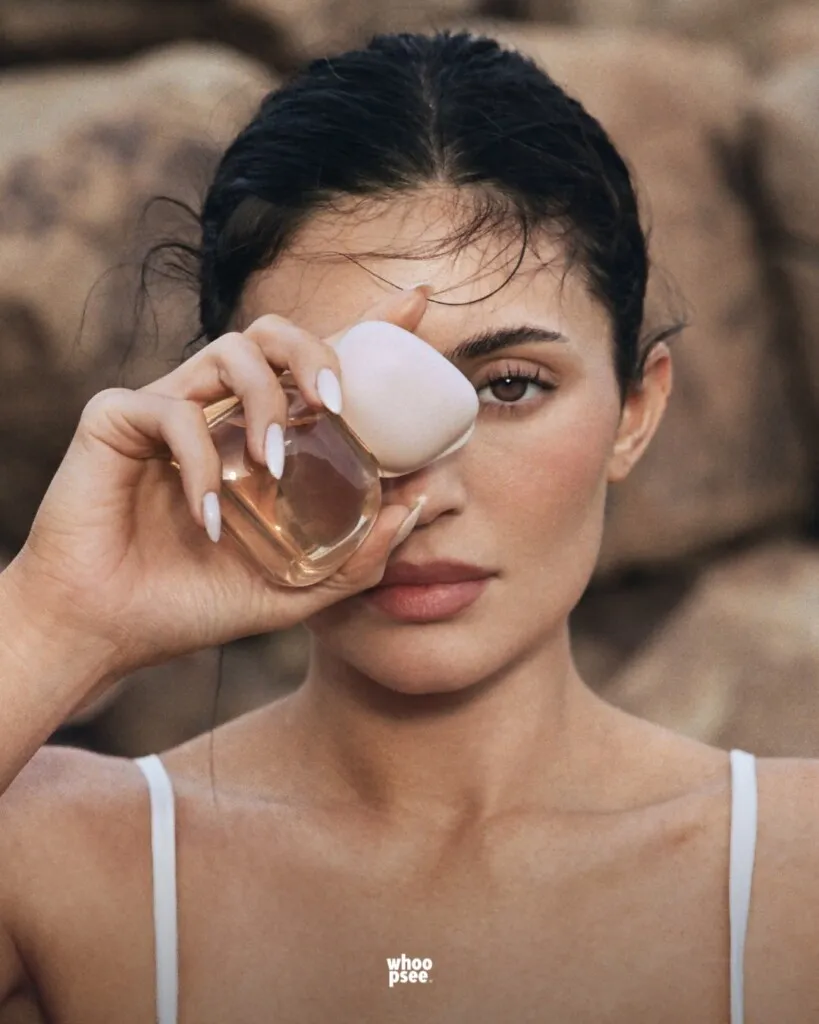
Meanwhile, his personal brand becomes a parallel laboratory: freer, more ironic, more New York. Marc Jacobs is the cult brand of every it-girl of the 2000s. A universe that alternates between fragility and pop culture, and that also finds in perfumery – with the launch of the iconic fragrance Daisy – the counterpart of an imagery defined and contaminated by a thousand influences.
Today’s sale closes an industrial cycle, but not a creative one. LVMH optimizes its portfolio, fashion continues to move toward new concentrations of power. But Marc Jacobs was never just an asset: it was an aesthetic breakpoint.
And indeed this remains: not a brand within a group, but a language that has gone through the system and rewritten it from within. Brands change ownership. Icons, much less so.
[📹 Instagram: a24 📷 Getty Images; BACKGRID / IPA; Instagram: marcjacobs]