There is an invisible thread that runs through the 20th century, linking two of the greatest interpreters of French beauty. On one side is Henri Matisse, the painter who transformed color into a space of absolute freedom; on the other is Yves Saint Laurent, the couturier who elevated fashion to an artistic language. They never met, yet their dialogue seems natural, almost inevitable. It is precisely this silent conversation that lies at the heart of *Henri Matisse – Yves Saint Laurent: Le beau, la mode et le bonheur*, the major exhibition hosted at the Musée Matisse in Nice, born out of a collaboration with the Musée Yves Saint Laurent in Paris. The exhibition brings together some 160 works—including paintings, drawings, haute couture garments, textiles, accessories, and archival documents—to explore a creative affinity that goes far beyond mere aesthetic influence.
The connection between Matisse and Saint Laurent does not lie in reference or homage, but in a shared vision of art. Both spent their careers breaking down the boundaries between the so-called “fine arts” and the applied arts, demonstrating how a painting can inspire the design of a garment and how a piece of haute couture can possess the same expressive power as a canvas. For Matisse, fabric is never merely decoration. Floral motifs, oriental fabrics, arabesques, and painted papers become structural elements of the composition—tools capable of expanding the pictorial space beyond mere representation. Color does not describe reality: it constructs it. Surfaces vibrate, lines break free from perspective, and ornamentation takes on the dignity of an artistic language.
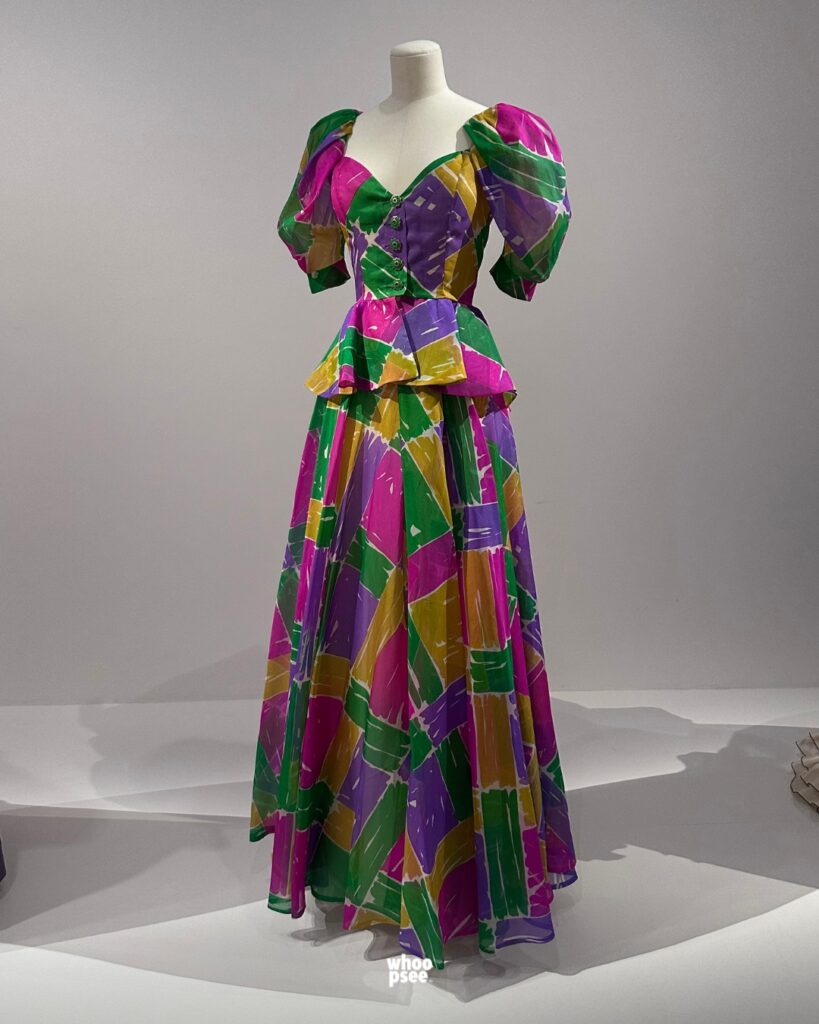
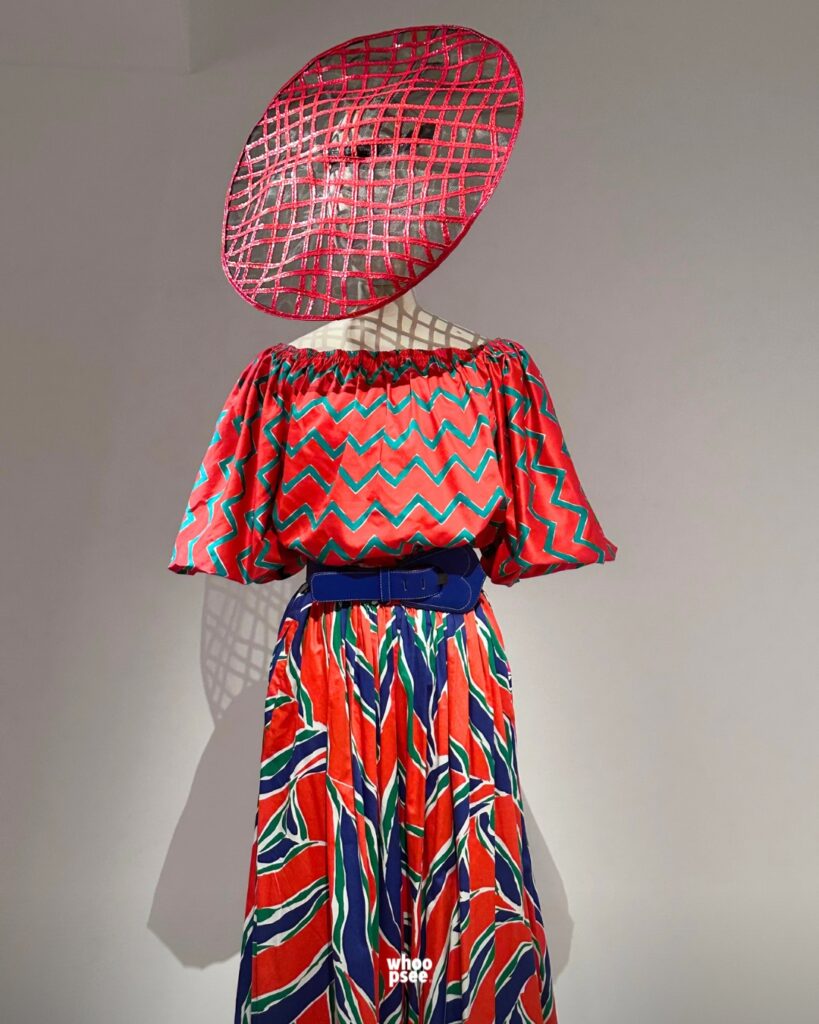
Saint Laurent saw in this freedom an extraordinary lesson in modernity. For him, painting was not a repertoire to be reproduced, but a design method. The transition from surface to volume, from canvas to the body, becomes the focus of his exploration. A garment does not simply clothe a silhouette: it occupies space, moves, and engages with the observer. It is, as the exhibition suggests, an art in motion. The exhibition thus constructs a refined interplay of correspondences. Matisse’s chromatic geometries seem to find a second life in the construction of Saint Laurent’s garments; the contrasts between solid and void, the search for balance, and the use of line as an essential element resurface in the couturier’s silhouettes, where the fabric acquires the same plastic intensity as painting.
It is no coincidence that Yves Saint Laurent looked to the great masters of modern art throughout his life. While his tributes to Mondrian have become iconic, his connection to Matisse seems perhaps even more intimate—because it is less overt and more profound. It is not about a single collection, but a shared vision of creation: the belief that beauty arises from the harmony between color, form, and movement. This exploration transforms both the painting and the garment into sensory experiences.

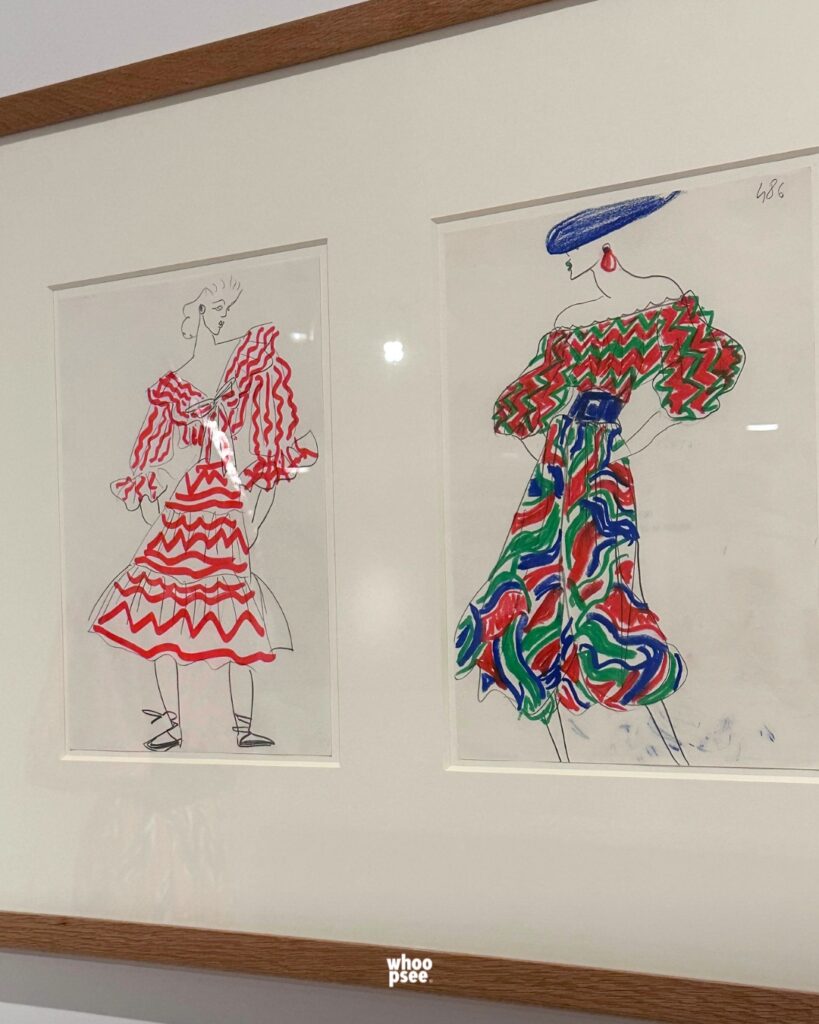
Even the exhibition’s title, *Le beau, la mode et le bonheur*—*Beauty, Fashion, and Happiness*—embodies the philosophy shared by the two artists. Beauty is neither an exercise in style nor an elitist luxury, but a form of joy, a way of experiencing the world through color, light, and creative freedom. It is a surprisingly contemporary vision, one that continues to inspire both design and fashion today. And perhaps there is no place more fitting than Nice to tell the story of this convergence. It was here that Matisse found the light that would forever change his painting; it is here that today that same light seems to be reflected in the clothes of Yves Saint Laurent, demonstrating how great ideas never belong to a single discipline. They transcend time, change form, and continue to reinvent the way we perceive beauty.