Art Deco emerged in the 1920s and 1930s as a veritable aesthetic revolution that spanned art, design, and visual culture, embodying the spirit of the “Roaring Years”-an era marked by rebirth, creative ferment, and a desire for modernity after the wounds of World War I. Cities change their faces, technology accelerates the pace of daily life, and society opens up to new forms of emancipation, especially women, in a climate of energy, luxury, and continuous transformation.
It was in this context that a style destined to become iconic was born. Art Deco celebrates modernity through symmetry, geometry, and an idea of structured and sophisticated elegance. Influences are many: artistic avant-gardes such as Cubism, Futurism, the discovery of Tutankhamun’s tomb in 1922, and the resulting growing fascination with exotic cultures, particularly Egyptian, Asian, and African, which introduced new decorative motifs such as sphinxes, sunbeams, and stylized forms. The industrial revolution also plays a key role: production is no longer just handcrafted and individual, but opens up to new techniques and possibilities, influencing the world of jewelry as well. It is precisely here that one of the most significant transformations takes place. Art Deco jewelry definitively abandoned the soft, naturalistic lines of Art Nouveau to adopt a completely new language of sharp lines, rigorous geometries and sharp color contrasts.
Rings, earrings and brooches thus become more than just ornaments: they are transformed into symbols of modernity, dynamism and cosmopolitan sophistication, making the woman a current figure in step with the times. The shapes are architectural and perfectly symmetrical, often inspired by the emerging skyscrapers and urban structures of the new modern age. Platinum and white gold gradually replace yellow gold, chosen for their brightness and strength and associated with the modern metal, while baguette-cut diamonds, sapphires, emeralds, onyx, coral, and colored enamels are juxtaposed in bold and sophisticated combinations.
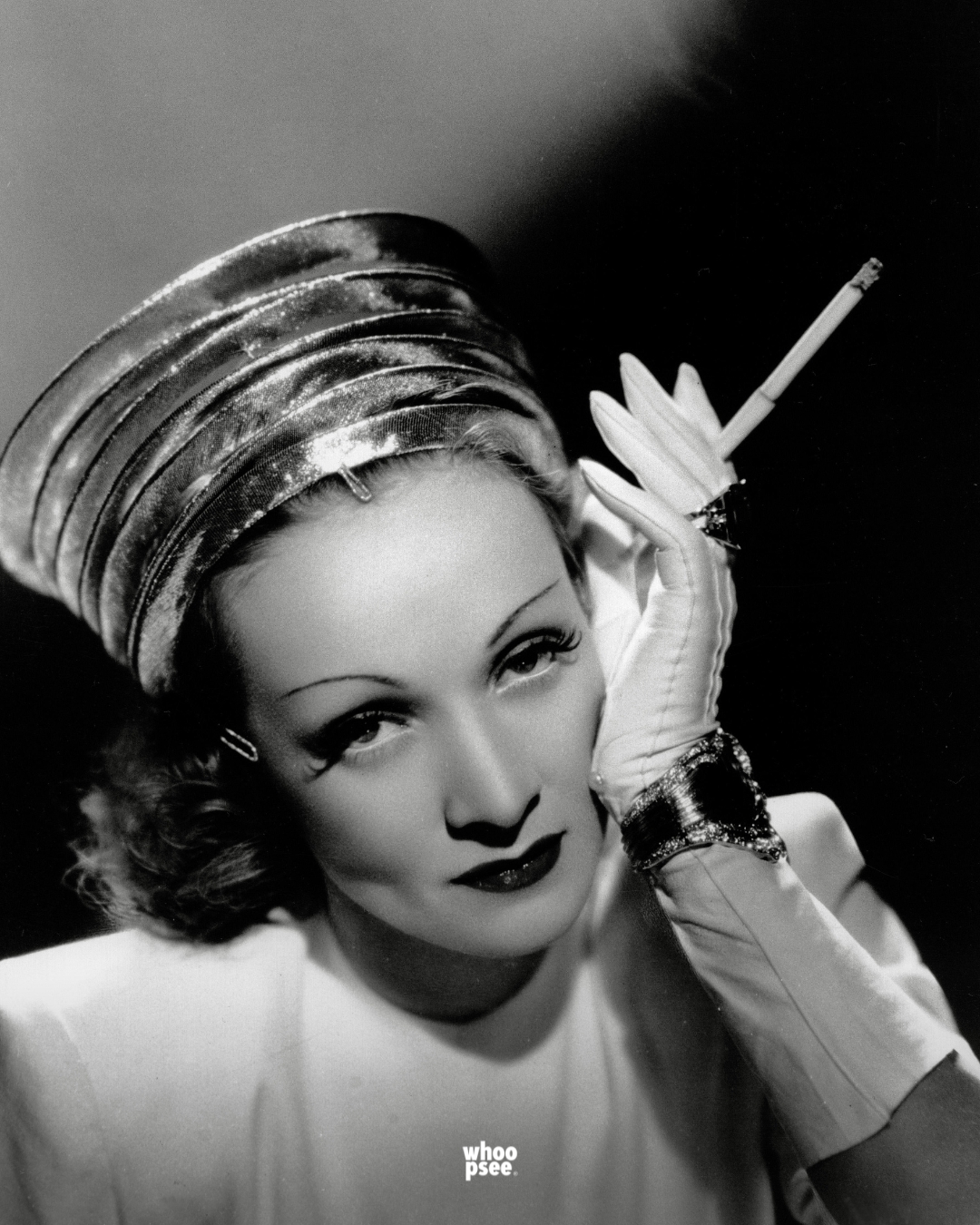
Surfaces become graphic, patterns abstract, compositions balanced. Fans, zig-zags, concentric circles and sunbeams become recurring elements of an aesthetic that combines rigor and opulence. Each piece of jewelry reflects the desire for order and progress, but also the desire to amaze through strong contrasts and an essential yet refined beauty. Making this imagery even more iconic were the female figures of the time, divas such as Marlene Dietrich and Hedy Lamarr, who embodied a new ideal of magnetic and independent femininity that is still drawn on today, amplified by sparkling and sophisticated jewelry that became an integral part of their public image. And it is precisely this fusion of art, industry, and culture that makes Art Deco so unique: a style born almost a hundred years ago, but still incredibly contemporary, capable of speaking the language of the present as powerfully as it told the future.
[📷 IPA]