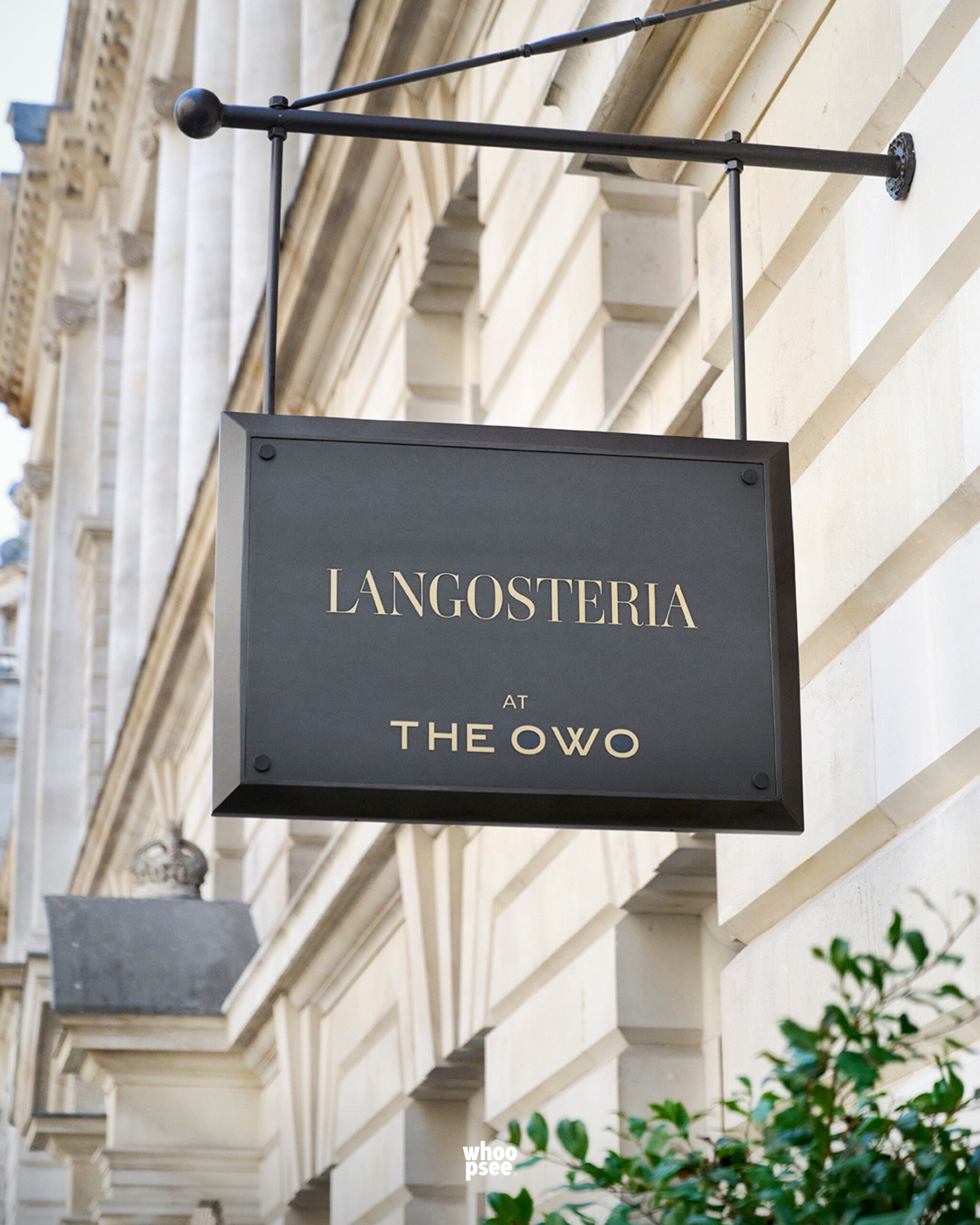
A new chapter, the same passion for hospitality, and a constant pursuit of excellence in every detail. Langosteria’s unmistakable atmosphere and culinary signature are coming to a new, prestigious destination: London. The British capital is home to the brand’s first restaurant in the United Kingdom, developed by Buonocore Hospitality Group, a company specializing in the creation and development of brands in the world of high-end dining and hospitality.
After Milan, Paris, Paraggi, Porto Cervo, and St. Moritz, starting tomorrow, July 1, 2026, London will also be able to discover Langosteria’s refined, contemporary cuisine—deeply rooted in the finest seafaring traditions—marking a new milestone in the international expansion of one of Milan’s most iconic and beloved restaurants.

The location is truly exceptional: Whitehall Place, inside The OWO, the iconic building that once hosted figures of the caliber of Winston Churchill, Lord Haldane, and T.E. Lawrence. It was right here in these offices, once frequented by spies and men of power, that Ian Fleming found the inspiration to bring the character of James Bond to life. Today, the complex is home to London’s first Raffles hotel, 85 luxury private residences, and an exceptional dining experience featuring nine restaurants and three bars, establishing itself as one of the city’s new iconic destinations.
The project was designed by Carlo Samarati, who previously designed the spaces in Milan and Paraggi, and establishes a continuous dialogue between the brand’s aesthetic and the building’s architectural heritage. The entrance opens onto the bar area, where travertine and Canaletto walnut create a bold architectural statement, topped by a ceiling that forms almost hypnotic concentric geometric patterns. The open kitchens appear in perspective, as part of the overall design. From here, the space extends toward the Main Dining Room, where the rhythm and lighting shift: more intimate, cozy niches on one side, and more open, dynamic central tables on the other, in a continuous alternation of perspectives.


Wine becomes a full-fledged architectural element with the cellars visible along the route. Further on, the Historical Room interrupts the present and evokes the building’s history. Here, the atmosphere changes completely: stone fireplaces, decorated ceilings, and stately proportions still bear the mark of the Old War Office. The embroidered silk surfaces, reinterpreted through Langosteria’s aesthetic language, add an almost narrative dimension to the space, bridging institutional memory and contemporary imagination. The transition to the Private Dining Room is marked by the Messenger Wall, framed by vertical paneling that emphasizes its historical character. Once a hub for confidential communications within the British Empire, it now serves as a symbolic element that runs through the entire project.
Bringing it all together is a precise and controlled use of materials: travertine, Verde Alpi marble, Venini Murano glass, and Medea seating. Each element seems to have been chosen not merely to decorate, but to create visual and sensory continuity. A design language that remains consistent from start to finish, making the space instantly recognizable—even far from Milan.

The menu is no less special, featuring signature dishes and new offerings that range from Catalan-style and steamed preparations to grilled and oven-baked dishes, as well as raw seafood and pasta. The menu features Langosteria classics such as the King Crab Special Edition 2007—dedicated to the historic location at Via Savona 10—and the Brittany Lobster “Spicy Blue,” as well as creations designed specifically for the city. The menu devotes ample space to vegetable-based dishes, with options such as marinated beetroot salad with walnuts and pecorino, crunchy potatoes à la minute, and roasted endives with champagne vinaigrette.
[📸 Courtesy of Langosteria / © Jean Cazal]