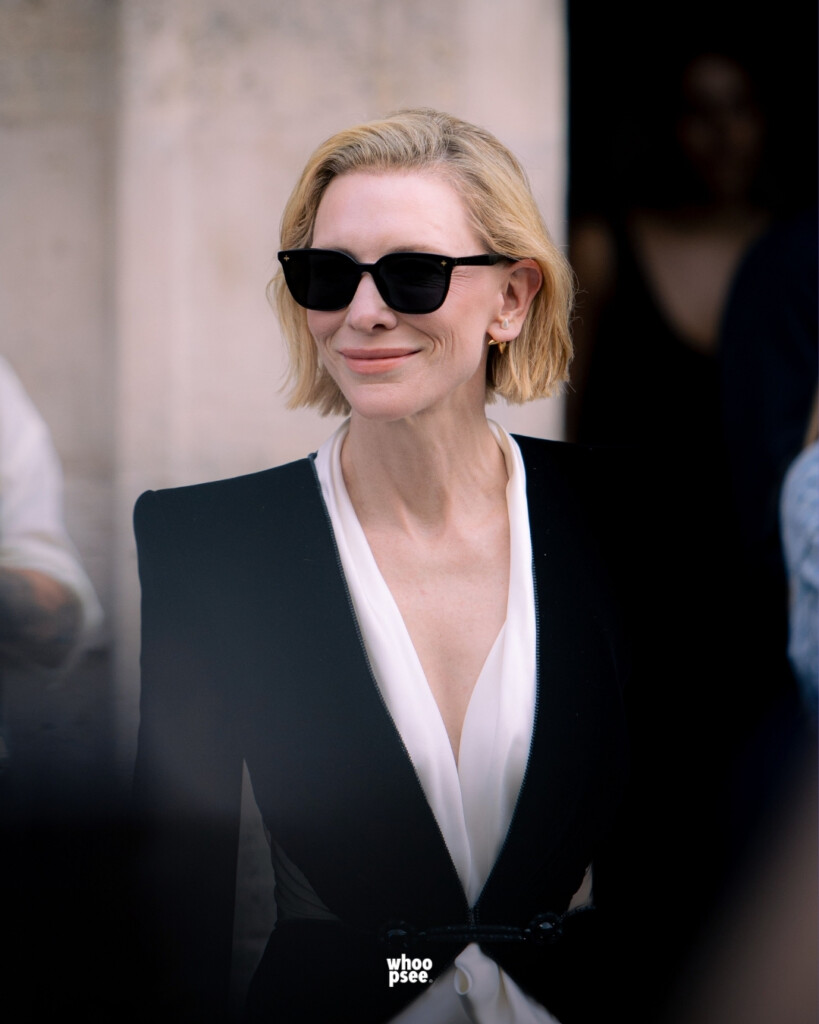
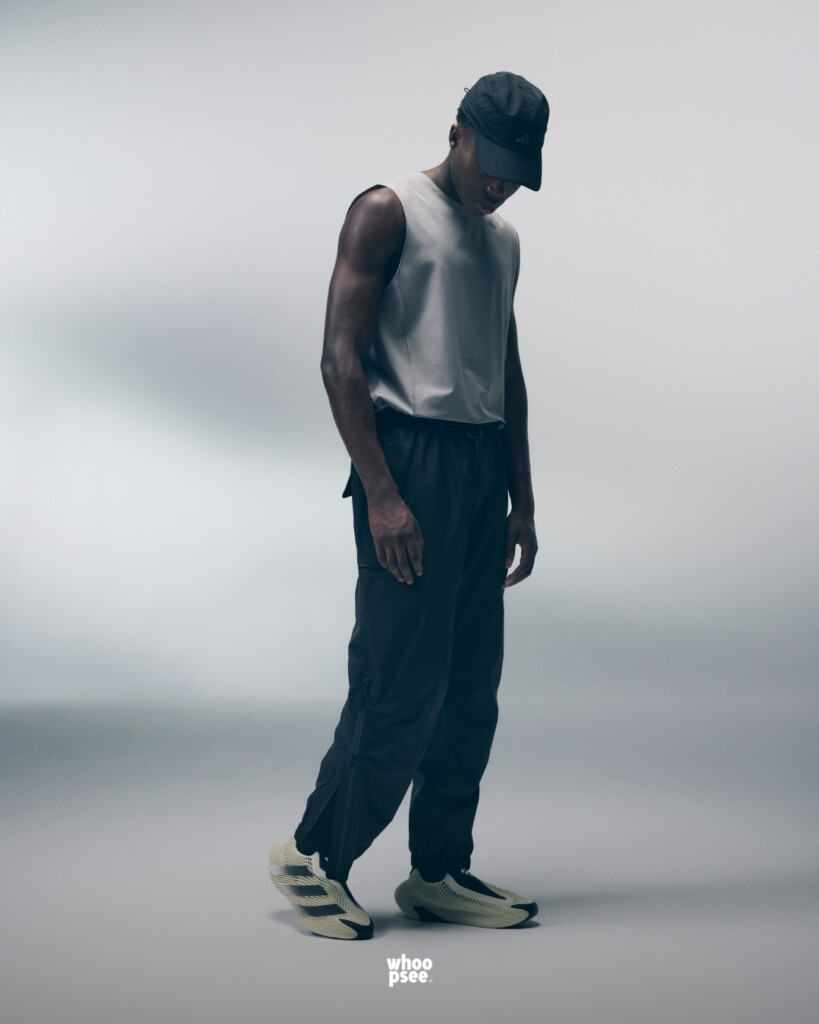
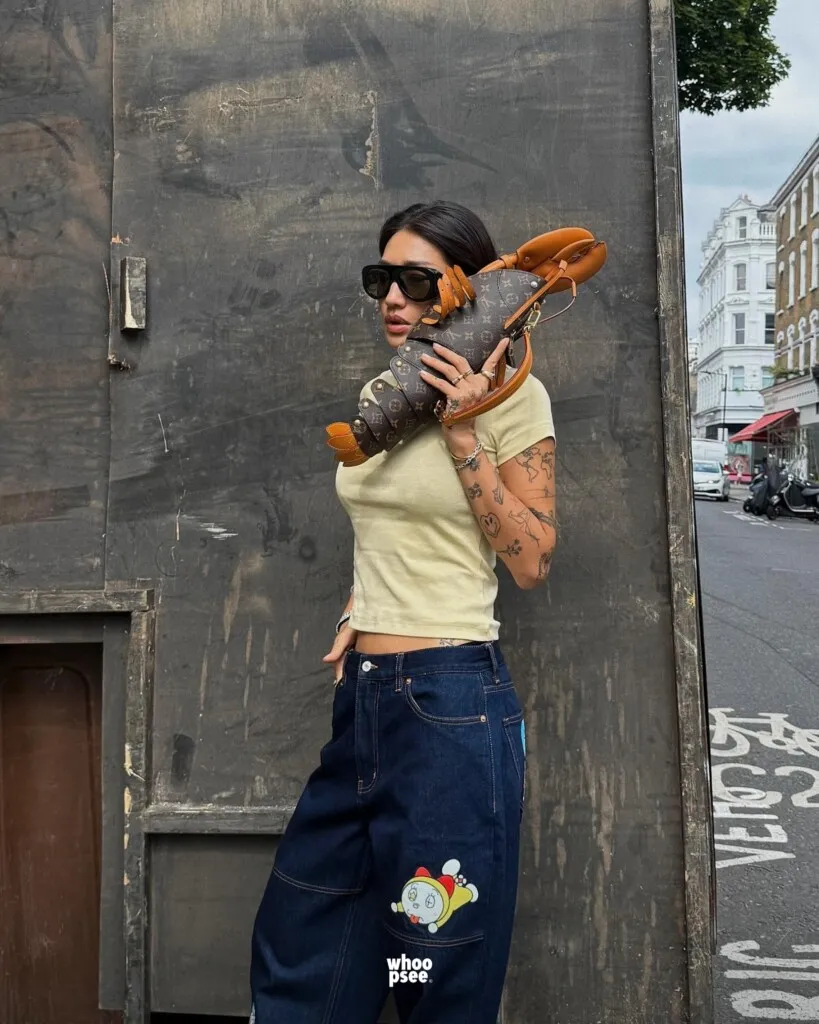
World soccer is no longer played solely on the field. As major international tournaments approach, the focus surrounding national teams is increasingly shifting to the way players present themselves off the field. From stadium arrivals to press conferences and away games, the teams’ outfits are becoming an integral part of the tournament’s narrative, to the point of turning into full-fledged media moments.
In recent years, national teams have begun collaborating with high-profile fashion brands and designers to build an image that goes beyond a simple sports uniform. It’s no longer just about standardized uniforms, but about looks designed to convey identity, culture, and international standing. The result is a growing convergence between sports and fashion, where the pre-game routine has become a showcase just as important as the game itself.
Some federations are pushing this trend more than others, turning to fashion houses and contemporary designers to reinterpret the classic team uniform. In some cases, traditional tailoring is reimagined with unexpected and experimental details, while in others, the focus is on a strong narrative tied to the country of origin, with cultural references woven directly into the uniforms worn by the players.
Individual athletes are also contributing to this change. In fact, they are increasingly showing up at training camps or official events with personal looks created in collaboration with streetwear and luxury fashion brands, making every public appearance potentially viral.
Among the most talked-about teams? Spain, which announced a few weeks ago that its national team will wear LOEWE uniforms; or the Ivory Coast, which arrived at the tournament wearing outfits from the local fashion house Ibrahim Fernandez Couture: all-white ensembles featuring mandarin-collar shirts and wide-leg pants, over which orange lapel-less blazers created a striking contrast. Each jacket, hand-dyed, was embellished with elephant-shaped buttons and an embroidered elephant on the back, reinterpreting the national crest. A far cry from the classic black uniforms or matching tracksuits typically worn by national teams.
The Democratic Republic of the Congo, back at the World Cup for the first time since 1974, has also chosen to break with tradition by wearing uniforms designed by Alvin Junior Mak and inspired by the “Sapeurs” subculture, featuring leopard-print details.
An interesting aspect of this evolution is the way some countries are using fashion as a storytelling tool. It’s not just about aesthetics, but about identity-building. Some uniforms have become true cultural statements, featuring references to national symbols, local craftsmanship, or specific subcultures. In this context, the line between official uniforms and creative expression is becoming increasingly blurred, and the national team’s wardrobe is becoming an extension of its global image.
What is emerging is a structural shift: international soccer is no longer just a sport, but also a comprehensive visual entertainment experience. Players’ outfits are photographed, analyzed, and shared just as much as the action on the field, helping to build an ecosystem in which fashion and sports feed off each other.
[📸 loewe.com]