There is a place, found in every city’s cafés, that seems to withstand everything: trends, changing designs, and the speed at which we consume spaces and relationships. It is the counter. Not the table, not the secluded booth, but that long, often slightly worn line that separates and yet unites those who serve and those who are served. The bar counter is a threshold: you’re no longer quite on the street, but you’re not really anywhere else either. You’re in a human void.
Sitting at the bar is different from sitting at a table. At a table, you isolate yourself, create a small private world, lower your voice, and put up an invisible barrier. At the bar, however, you embrace being on display. You watch and are watched. You hear snippets of lives that aren’t your own, and often end up sharing something about yourself without even realizing it. It’s a sideways intimacy—never explicit, yet incredibly powerful.
The relationship with the person on the other side of the counter—the bartender, the waitress, the waiter—is one of the most subtle forms of everyday trust. It is neither the intimacy of friends nor the formal nature of purely professional service. It is a gray area made up of repeated gestures: “The usual?”, a nod of the head, a coffee that arrives even before you’ve actually ordered it. In that small ritual, a mutual memory is built. We don’t really know each other, but we recognize each other.
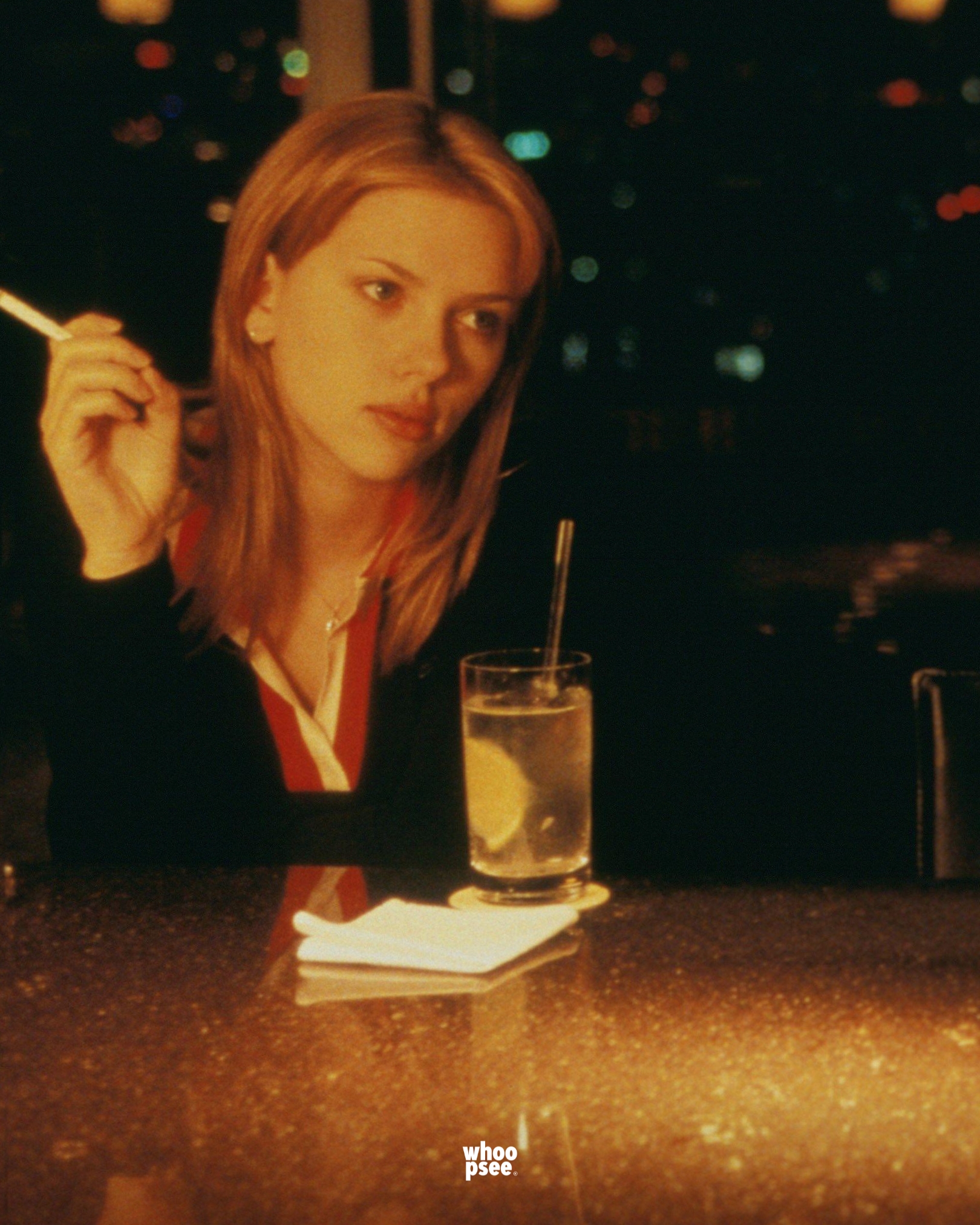
The bar is also a place for introspection. You gaze at your glass, the reflection in the glass, your hands moving without haste. It is a place where time seems to slow down just enough to allow thoughts to surface. It is no coincidence that cinema has often chosen the bar as a place for silent confessions or inner turmoil. But it is also a place of waiting: whether it’s a first date or a meeting with an old friend, usually when we’re waiting for someone, we linger at the bar, perhaps sipping the first glass of what will be many.
And then, just how iconic has the bar counter been—and still is—in movies? Unforgettable scenes, each evoking different feelings. Just think of the suspended loneliness in Taxi Driver: even if the bar isn’t always center stage, the idea of a man observing the world from a marginal, almost transparent position fits perfectly with the posture of the customer at the bar. It is the gaze of someone who is not entirely part of others’ lives, yet not completely outside them either.
Or the ethereal melancholy of *Lost in Translation*, where hotel bars become places of chance, suspended, almost unreal encounters. The bar there isn’t just a piece of furniture: it’s a distance that narrows for a moment between two compatible solitudes. In Casablanca, Rick’s bar is practically a world unto itself. The counter and the bar aren’t just set pieces, but the moral and narrative center: a place where decisions are made between a drink and a song, where history walks in without knocking and intertwines with individual destinies.
And then there are films like *Coffee and Cigarettes*, which transform the very act of sitting down, ordering, and talking at the counter or at a table into a minimalist grammar of existence: fragmented dialogue, awkward pauses, and small rituals that become all that is needed to portray a human relationship.
TV series have also turned the bar counter into a household and cultural icon: in *Cheers*, the bar is literally a place where “everyone knows your name.” The bar counter isn’t just a service counter, but a stable community—almost a chosen family—built on repetition and regular attendance.
Yet the appeal of the bar counter lies not only in cinema or nostalgia. It lies in its resilience. In an age where everything tends toward reservations, social distancing, and personalized, isolated experiences, the bar counter continues to offer a form of unfiltered social interaction. You can’t control who will sit next to you. You can’t decide which conversation you’ll overhear by chance. You can’t edit reality. It is precisely this unpredictability that makes it still necessary. The bar counter is one of the few remaining places where the city still allows chance encounters. Where solitude is not erased, but made shareable. Where introspection does not exclude the presence of others, but relies on it.
Perhaps that’s why, despite everything, we sometimes still prefer a high stool and a quick coffee to a more comfortable table. Because at the bar, we’re never quite alone, and we’re never quite in company. We’re in that in-between space where life simply happens.
[📷 IPA; Instagram: sognimilano 📹 ©️ Paramount Pictures, Jurow-Shepherd, Spinel Entertainment, Metro-Goldwyn-Mayer, EON Productions, Alloy Entertainment, CBS Television Studios, Warner Bros. Television; Instagram: sognimilano]