Loro Piana, an emblem of cultured and quiet luxury, which has always been associated with an idea of absolute elegance without ostentation, strengthens its ties with the Italian cultural heritage by also assuming today the role of patron of the arts. The Italian fashion house has in fact signed a three-year collaboration with the Galleria Borghese, one of the country’s most prestigious museum institutions, pledging to support the restoration of one work per year until 2028. Inaugurating the project will be three monumental paintings belonging to the triptych Spring, Autumn and Winter by Jacopo Bassano, among the most significant interpreters of Renaissance Venetian painting. Born in Bassano del Grappa around 1515 and active in the Venetian Republic, the artist is famous for blending religious tradition with an extraordinary sensitivity to landscape and everyday life. The triptych is part of the famous series The Seasons, a pictorial cycle that celebrates the rural world through an intense and poetic representation of nature and human labor. Spring will be the first canvas to undergo restoration later this year.
“We are delighted to launch this important partnership with the Galleria Borghese, an initiative that aligns perfectly with our deep commitment to Italian art and culture,” said Frédéric Arnault, CEO of Loro Piana. “This collaboration is evidence of a strong synergy between two Italian excellences, united by a common desire to preserve art, craftsmanship and culture, so that the works of the past can continue to inspire future generations.” Also emphasizing the value of the initiative was Francesca Cappelletti, director of the Galleria Borghese: “The restoration of these masterpieces by Jacopo Bassano will allow us to share their beauty and historical significance even longer, ensuring their transmission to future generations.”
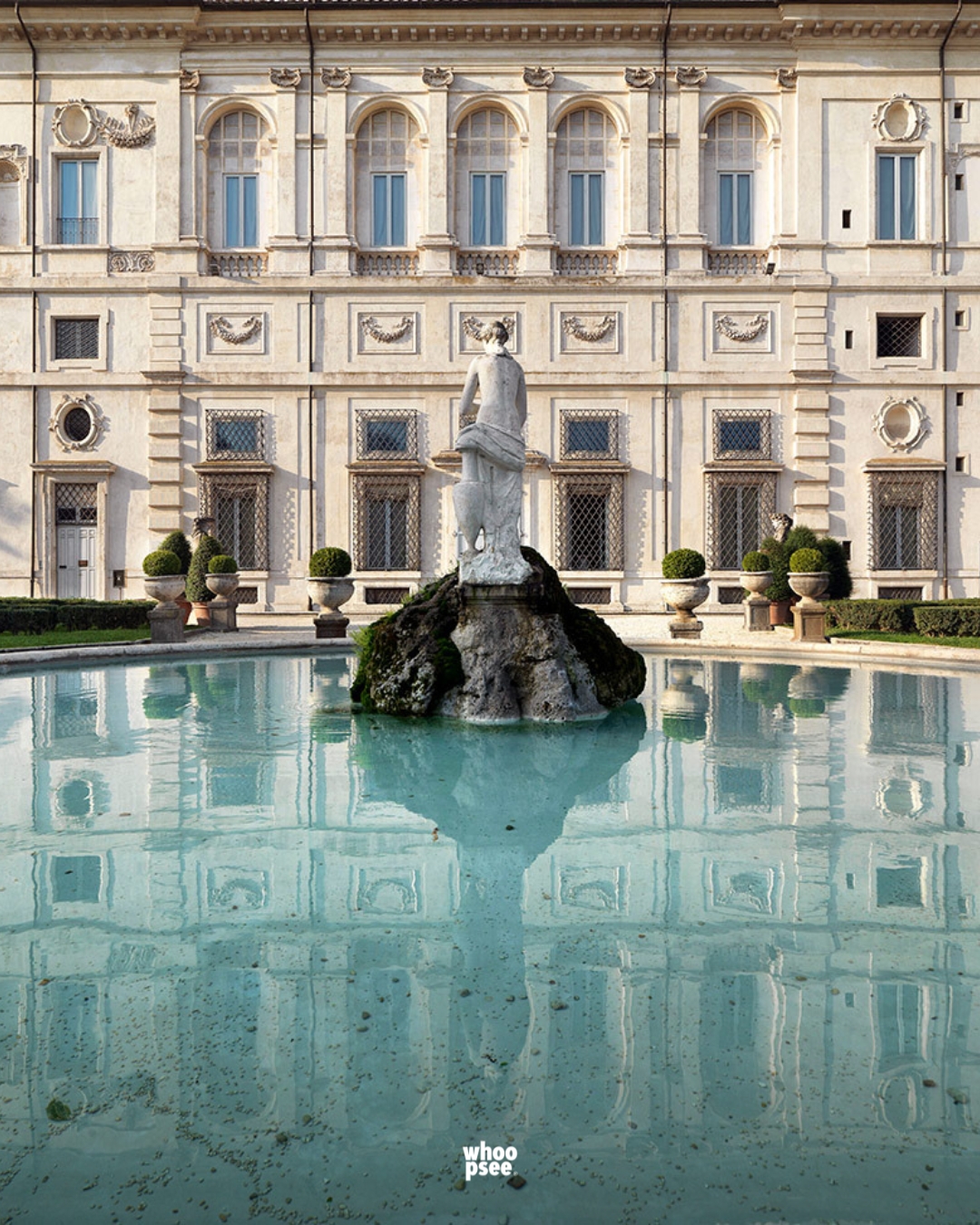
Housed in the scenic setting of the Villa Borghese, the Borghese Gallery holds one of the most extraordinary art collections in the world, with masterpieces by Gian Lorenzo Bernini, Caravaggio, Raphael, Titian and Antonio Canova. As a state museum, it operates under the supervision of the Ministry of Culture. The initiative is part of a broader path of cultural responsibility undertaken by the maison. Already last year, the LVMH group brand had supported the restoration of the historic wooden floor of Milan’s Gallery of Modern Art at Villa Reale and the statues dedicated to the rivers Tiber and Arno in the Nymphaeum of Villa Giulia, home of the National Etruscan Museum.
In recent years, fashion’s contribution to the protection of artistic heritage has proved increasingly crucial. In a country like Italy, custodian of an extraordinary share of the world’s cultural memory, the support of private individuals often represents an indispensable resource to ensure the preservation and enhancement of works, museums and monuments. While this growing dependence highlights the fragilities of a public system that struggles to respond adequately to the needs of the national heritage, it also testifies to a renewed awareness on the part of large luxury companies, which are also called upon to restore value to the territories and cultures from which they draw inspiration.
In this sense, contemporary patronage is not only a gesture of social responsibility, but an investment in collective memory. And while it is desirable that the protection of heritage remains a priority of public institutions, it is equally significant that some of Italy’s most authoritative excellences are choosing to take an active role in safeguarding the artistic legacy that continues to define the country’s identity in the world.
[📷 galleriaborghese.cultura.gov.it]