It comes as no surprise that Gucci, Christian Dior and Louis Vuitton chose the United States to unveil their latest cruise shows. Also known as “resort,” cruise collections were originally conceived for a wealthy clientele travelling to sunny destinations during the winter months. Today, they are largely media-driven, designed to keep audiences continuously engaged with the brand universe. What has changed, however, is the luxury landscape itself, which experienced exceptional growth in the post-pandemic years but is now undergoing a more challenging phase.
Demand for luxury goods has stalled in Asia, forcing major groups to rethink their strategies. Today, the United States remains the only market still showing tangible growth, with the country’s interior regions emerging as a new focus for brands that once concentrated primarily on the East and West Coasts. In fact, several American cities beyond the usual strongholds of New York and Los Angeles are now demonstrating increasing demand for luxury goods.
Last October, Hermès opened a new store in Nashville, underlining this shift. What makes these cities attractive is not only their appetite for heritage luxury, but also lower costs of rent and living. It is therefore unsurprising that competing brands are now investing more heavily in the US, ensuring their collections are presented there, ideally within striking, culturally resonant venues.
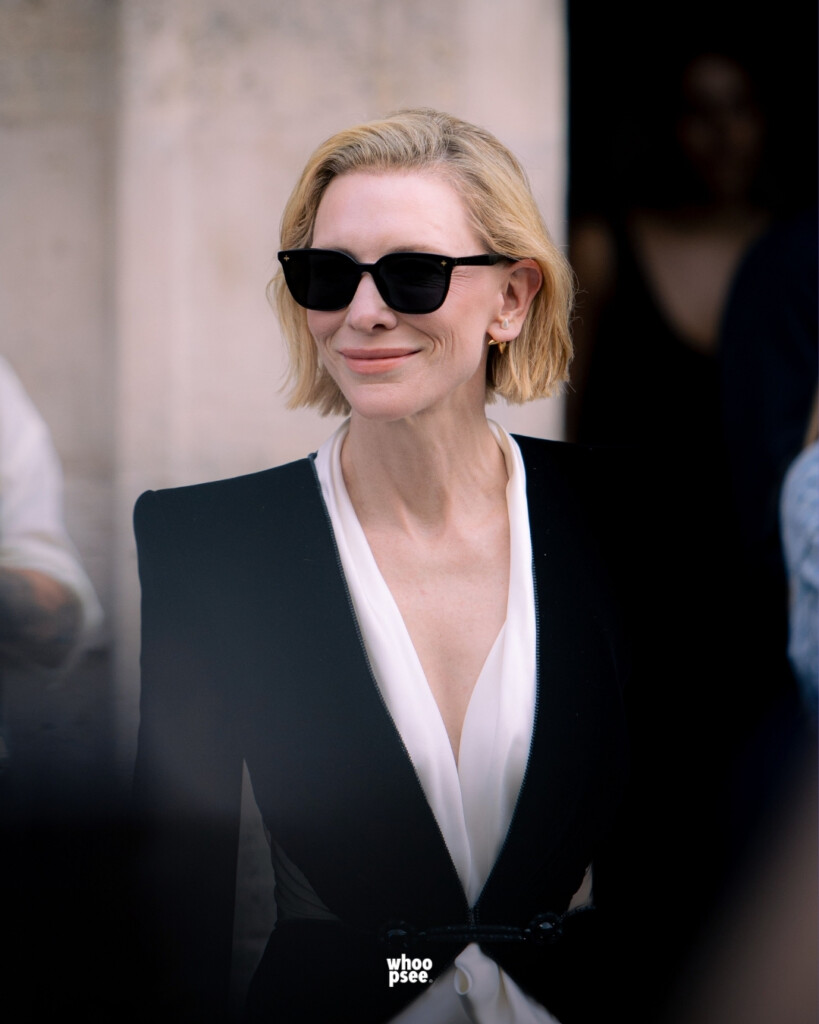
Gucci transformed Times Square in New York for its cruise show, reportedly investing around $10 million, making it one of the most expensive fashion presentations in history. Dior chose the Los Angeles County Museum of Art to present a collection inspired by Christian Dior’s relationship with Hollywood, while Louis Vuitton focused on art, showcasing garments referencing Keith Haring within the marble galleries of New York’s Frick Collection.
A rubrica by: @philippe.pourhashemi , Fashion critic
[📸 @snapiximage; dior.com; Instagram: louisvuitton]