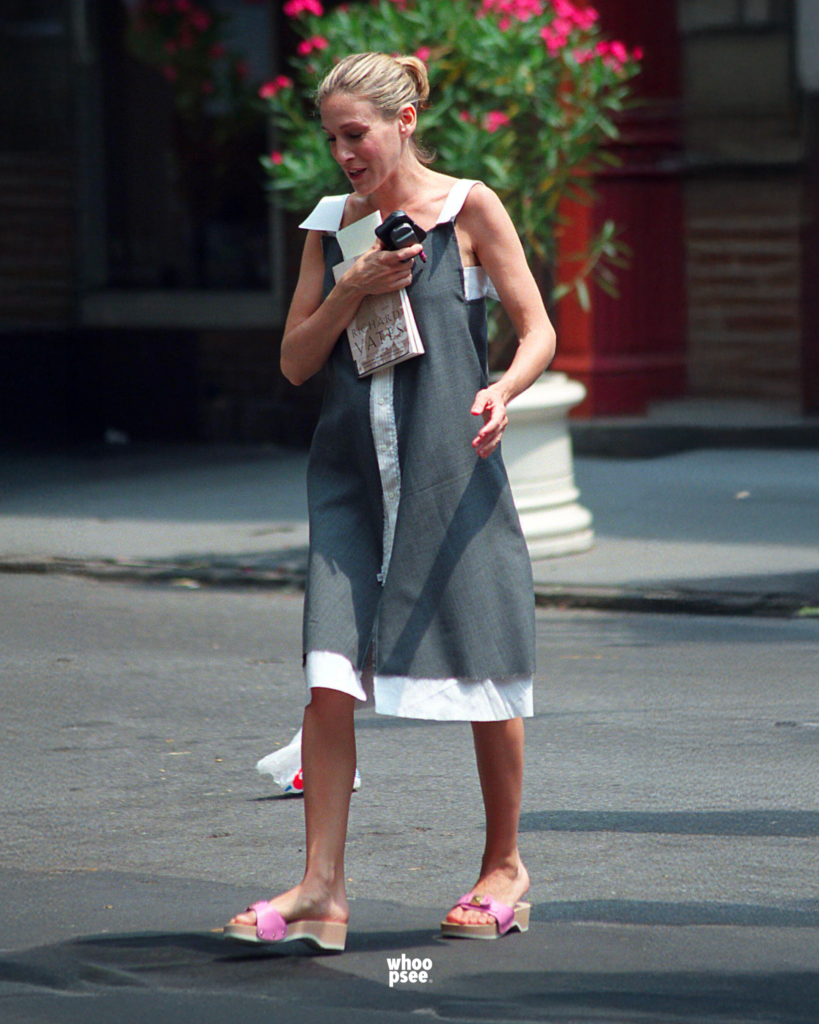
Ryan Murphy’s Love Story has brought John F. Kennedy Jr. and Carolyn Bessette back into focus but the real legacy isn’t the romance. It’s the restraint. In an era dominated by excess, Bessette’s wardrobe feels almost radical. Clean lines, neutral tones, no unnecessary statements: it’s no surprise Gen Z has turned her into a reference point. A reminder that less is more. In 2026, nostalgia has become a market force. On March 3rd, her Fall 1996 Prada coat sold for $192,000. Not for rarity, but for what it embodied: wear less, choose better, repeat often a quiet rejection of fast fashion before the term existed.
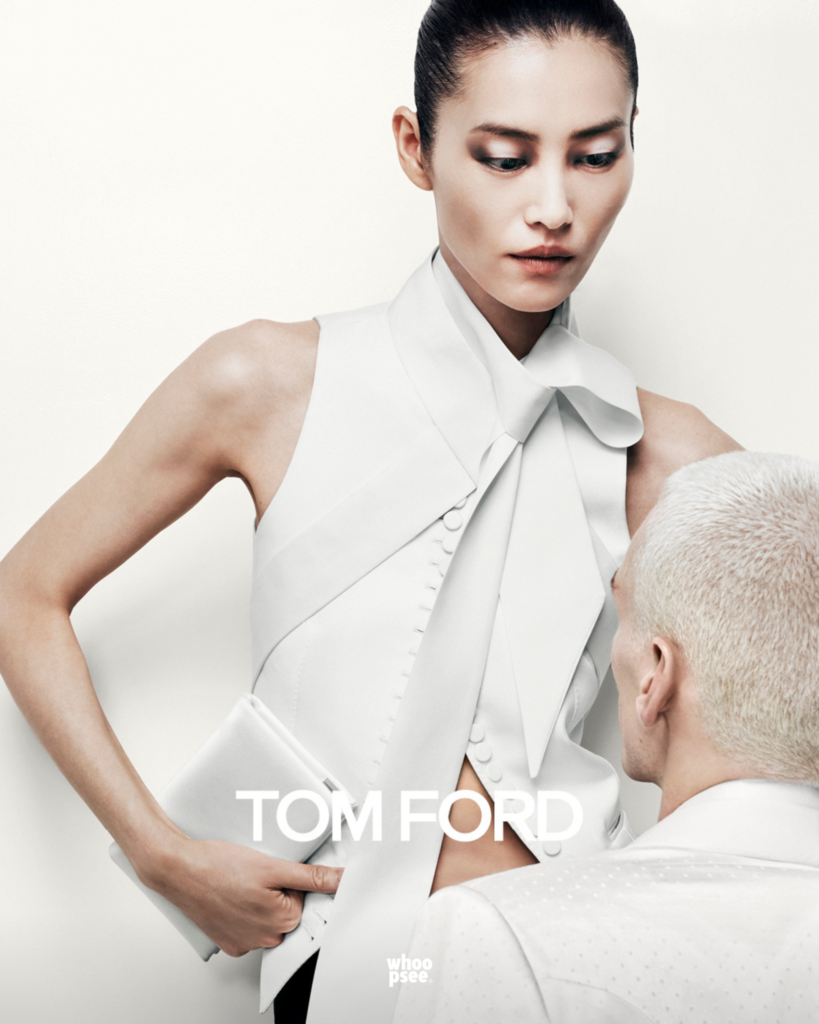
That same mindset is resurfacing on the runway. At Calvin Klein, where Bessette once worked, creative director Veronica Leoni referenced her in a summer show focused on simplicity. At Maison Margiela, the return to long, lean silhouettes marks a shift away from years of oversized fits. In Milan, Simone Bellotti debuted at Jil Sander with sculptural coats and razor-sharp tailoring, elegant and powerful.
It’s not hard to understand the fascination with the 90s. Those years stood for quality, integrity, timelessness, but also authenticity and personal style. The industry was smaller, less calculating and fashion was more accessible. Today, it feels increasingly disposable, disconnected from real life and driven by hype. We struggle to keep up with trends, overwhelmed by the volume of collections. By the time clothes reach stores, we’ve already consumed them online. Fashion has also become more generic and interchangeable. Differentiation often comes down to a logo rather than design, fabric, or color. Under constant commercial pressure, designers produce endless collections and collaborations, making repetition the easiest path.
Maybe the real question isn’t whether fashion can move forward but whether it’s willing to take the risk again.
A rubrica by: Philippe Pourhashemi, Fashion critic
[📸 Getty Images; IPA; jilsander.com; maisonmargiela.com; calvinklein.it; Instagram: maisonmargiela]